Why Proper Foundation Repair Matters
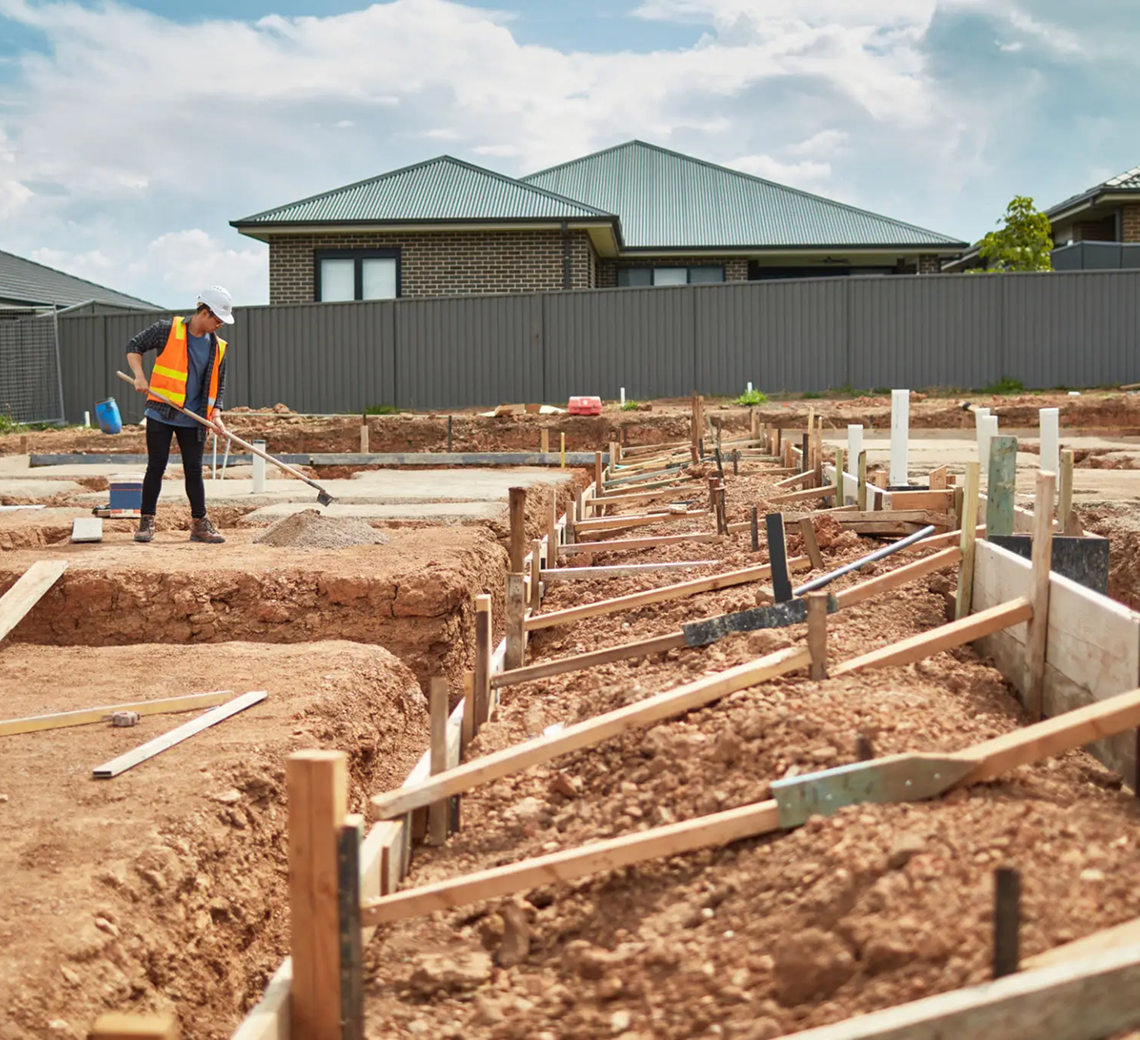
Foundational repair is not just about fixing visible damage—it is about ensuring the structure is properly engineered for long-term stability.
When foundations are repaired incorrectly or without proper certification, the results often lead to continued movement, structural deterioration, and significantly higher long-term repair costs.
At Foundational Engineering, we believe homeowners deserve clarity on how foundation systems actually work and why precision engineering is critical.
What Is a Helical Pier?
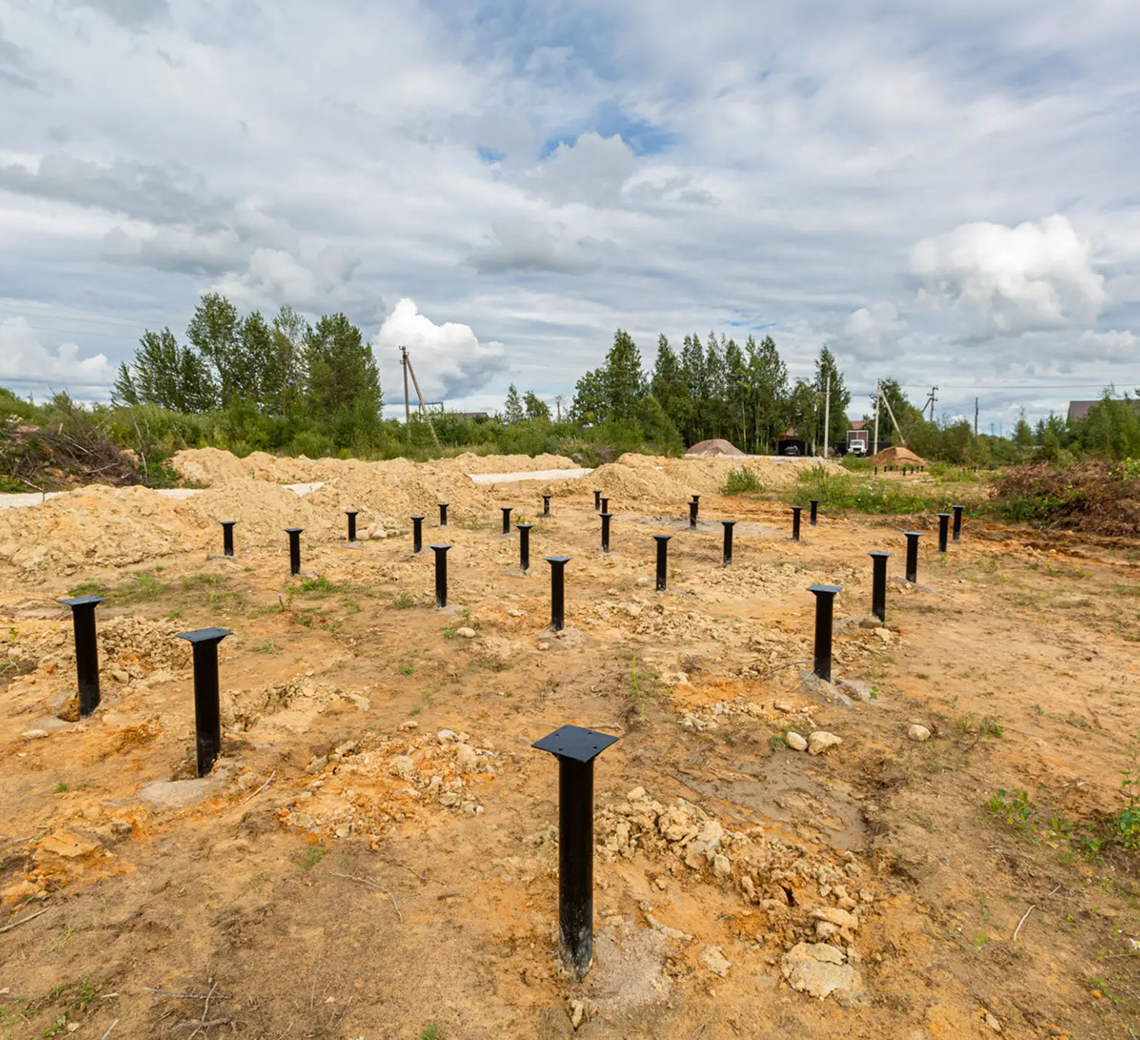
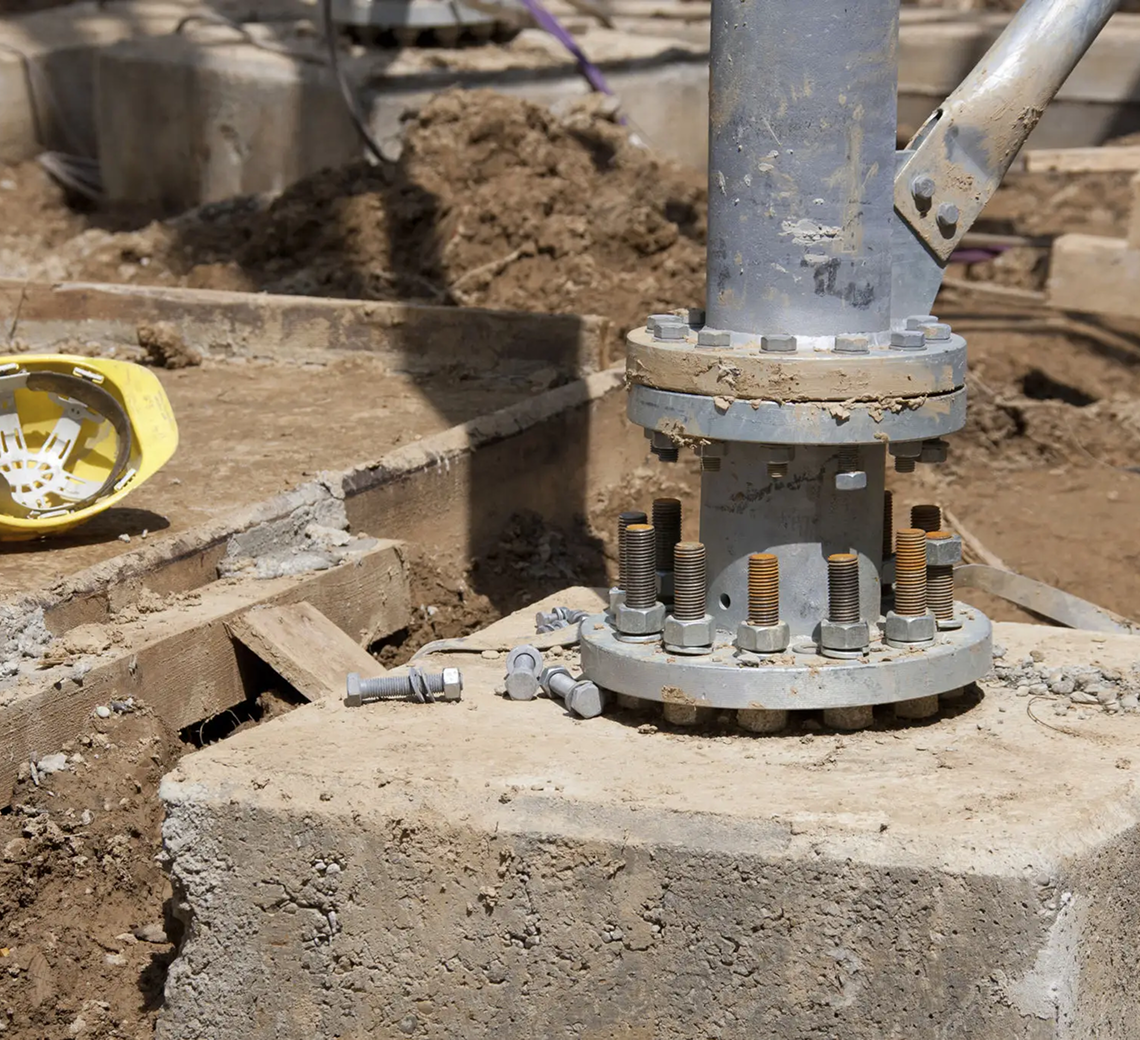
Helical piers are deep foundation support systems made of steel that are mechanically installed into load-bearing soil.
They are designed to transfer the weight of a structure from unstable surface soil to deeper, more stable ground layers.
When installed correctly, helical piers provide permanent structural support and are one of the most reliable methods for foundation stabilization and lifting.
Why Proper Installation Matters
Foundation systems are highly dependent on installation accuracy.
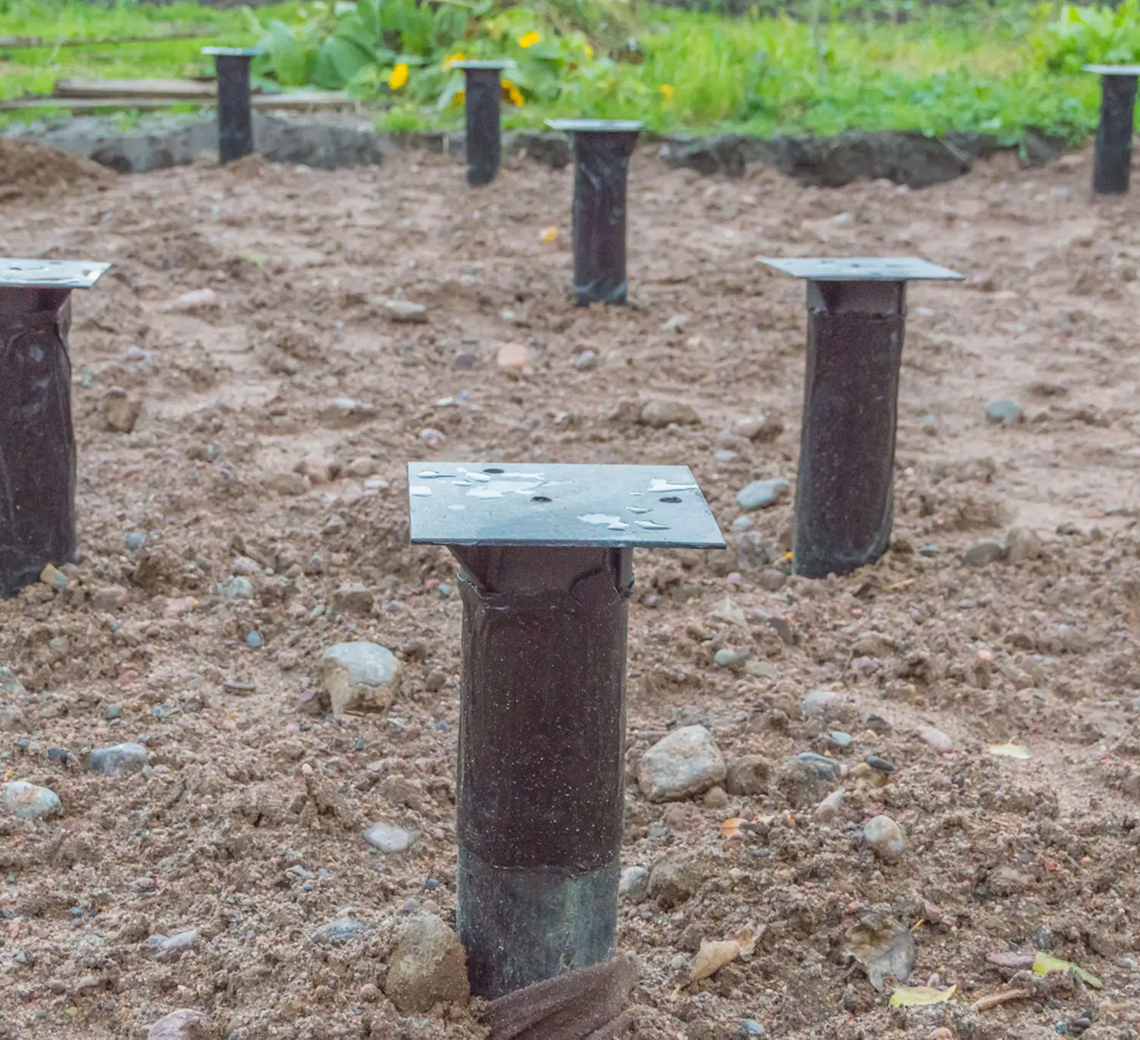
If helical piers are not installed with proper depth, torque control, and load verification, the system may fail to provide adequate structural support.
Proper installation ensures:
Correct load transfer into stable soil.
Accurate depth to reach bearing capacity.
Controlled structural lifting when required.
Long-term foundation stability.
Reduced risk of future settlement.
Precision is not optional—it determines structural performance.
Risks of Cheap or Improper Repairs
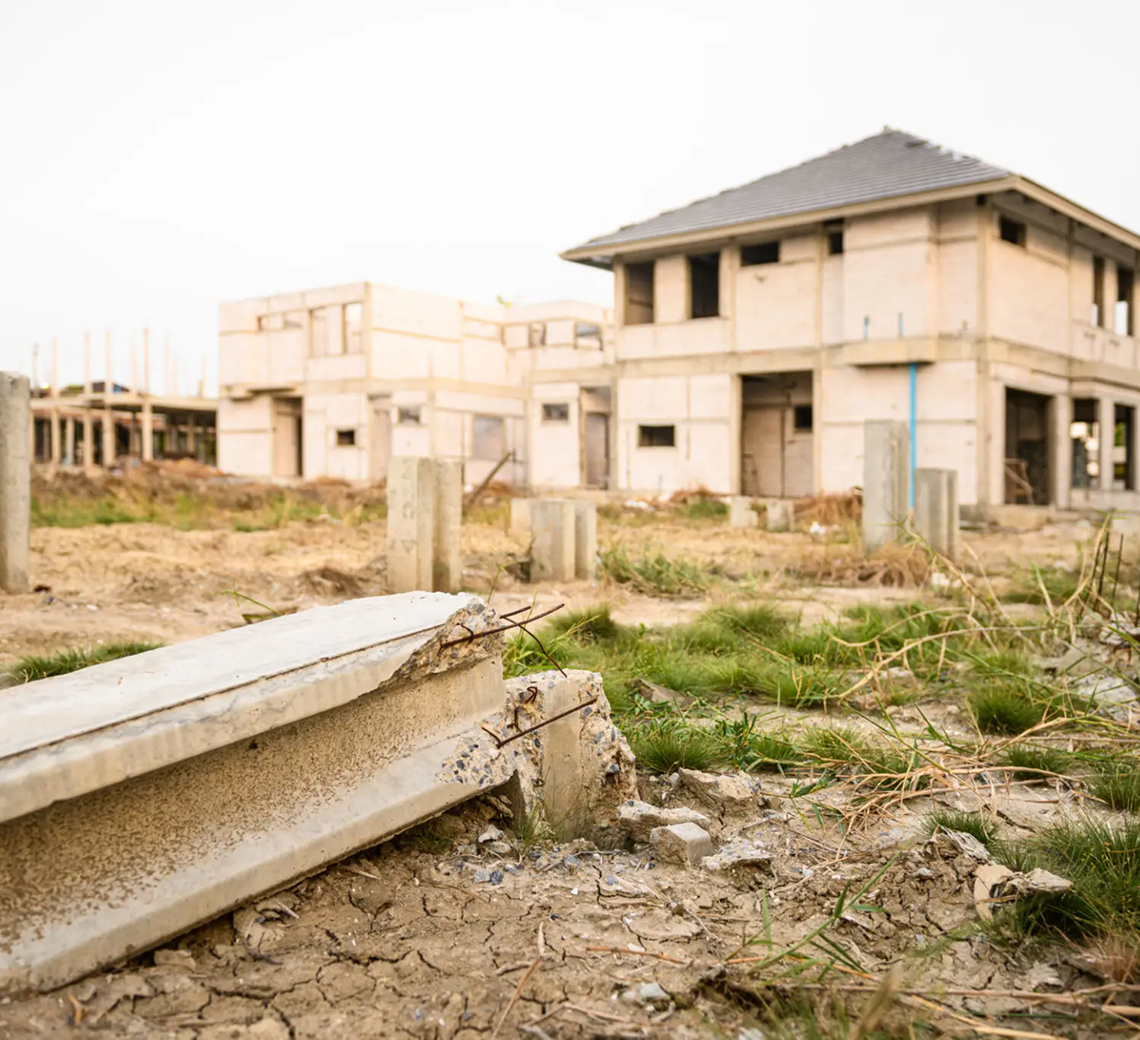
Low-cost or non-engineered foundation repairs often fail to address the root cause of structural movement.
This can result in:
Continued foundation settlement.
Expanding structural cracks.
Misaligned doors and windows.
Progressive structural damage.
Expensive corrective repairs later.
In severe cases, structural failure.
Foundation repair is not cosmetic work—it is structural engineering.
Why Torque Monitoring Is Important
Torque monitoring is a critical part of certified helical pier installation.
It measures the resistance encountered during installation, which directly correlates to soil strength and load-bearing capacity.
Without accurate torque readings:
Load capacity cannot be confirmed.
Installation depth may be insufficient.
Structural support may be unreliable.
Torque verification ensures the foundation system is installed to engineered standards.
Why Certification Matters
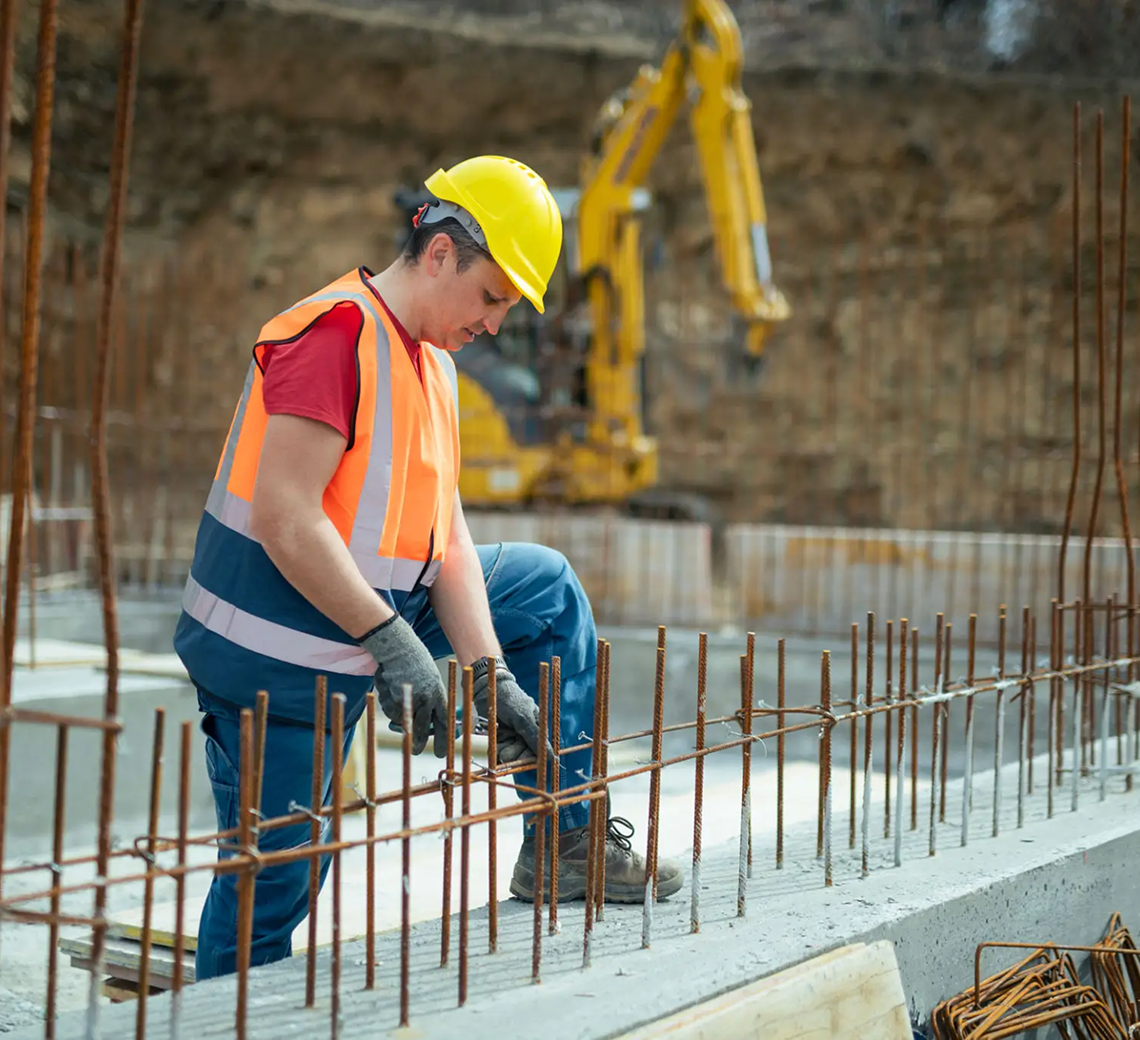
Certification ensures that installation follows manufacturer and engineering requirements.
Certified installation provides:
Verified structural load capacity.
Proper installation methods and equipment use.
Compliance with engineering specifications.
Long-term performance assurance.
At Foundational Engineering, certification is not optional—it is the foundation of our work.
Signs of Foundation Problems
Homeowners should watch for early indicators of foundation movement, including:
Cracks in interior or exterior walls.
Uneven or sloping floors.
Doors and windows that stick or shift.
Separation in trim or framing.
Visible foundation cracking or movement.
Early detection allows for more effective and less invasive repairs.
Long-Term Structural Stability
Properly engineered foundation systems are designed for long-term performance.
When installed correctly, helical pier systems can provide stable support for decades by transferring structural loads to competent soil layers.
Long-term stability depends on:
Correct engineering design.
Proper installation methods.
Verified load-bearing capacity.
Certified execution of work.
Closing Section
Foundation failure does not improve on its own. It progresses over time if left untreated or improperly repaired.
Understanding the importance of engineered solutions helps homeowners make informed decisions that protect both safety and property value.
Foundational Engineering is committed to delivering certified, precision-driven foundation solutions designed for lasting structural performance.